Tree Removal services by qualified staff for safe removal of trees of any size.
Tree Pruning services to enhance tree health, aesthetics, and property safety.
Tree Lopping, Cutting, and Removal for large or hazardous branches and trees.
Palm Tree Removal including stumps, fronds, leaves, seeds, and fruit.
Hedge Pruning for neat, attractive, and safe hedge growth.
Land Clearing for residential, commercial, and agricultural areas, including large-scale projects.
Block and Land Clearing for property preparation, construction, or landscaping.
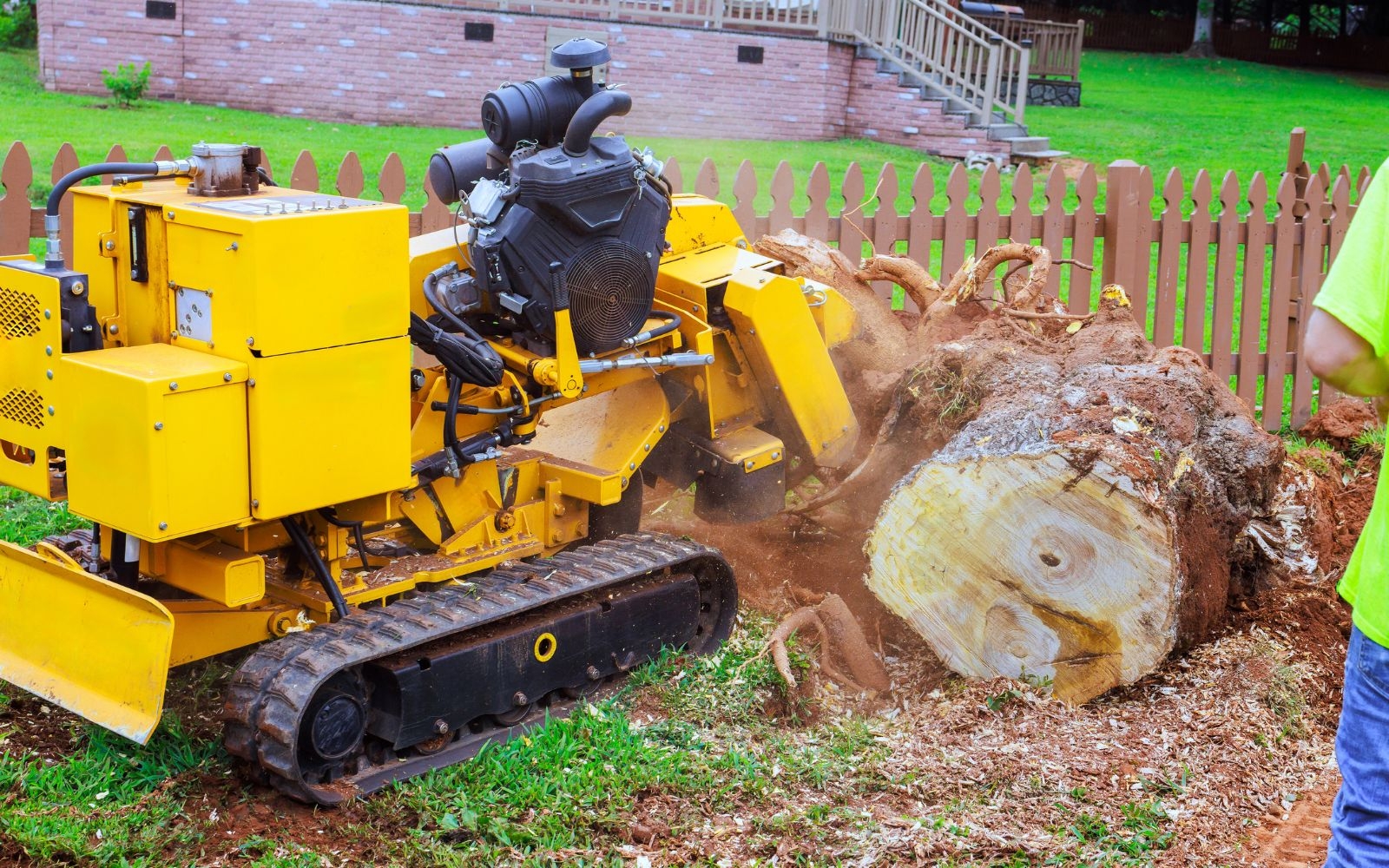
Stump Grinding with modern machinery to remove all traces of tree stumps.
Commitment to protecting property and surrounding areas during tree services.
Trusted location at Unit 9/169 Beavers Rd, Northcote VIC 3070, serving Melbourne homeowners and businesses.
Use of modern, high-quality equipment and safety gear for all tree care operations.
Comprehensive insurance coverage for all services, ensuring client peace of mind.
Identification of hazards including overgrown branches, storm damage, proximity to cables, and invasive roots.
Professional handling of pest infestations and excessive or misdirected tree growth.
Efficient, experienced, and results-driven service for timely project completion.
Removing palm fronds, seeds, and debris can be a surprisingly challenging task, even for seasoned gardeners and landscapers. One of the primary difficulties lies in the sheer size and weight of the palm fronds. These fronds can grow to be quite large, making them cumbersome to handle and transport. Their fibrous nature also means they require specialized tools for cutting and removal, which can add to the complexity of the task.
Key Challenges in Palm Frond Removal:
Furthermore, palm seeds and debris present their own unique set of challenges. The seeds, often scattered across lawns and gardens, can be slippery and hazardous, posing a risk of falls and injuries. They can also germinate quickly, leading to unwanted palm saplings sprouting up in inconvenient locations, which requires additional effort to manage and remove.
Debris from palms, such as fallen fronds and decayed organic matter, can accumulate rapidly, creating an unsightly mess and potential habitat for pests. This debris is not only aesthetically displeasing but can also block drainage systems, leading to water buildup and potential damage to property. The need to frequently clear this debris can be time-consuming and labor-intensive, especially in areas with a high density of palm trees.
Moreover, those undertaking this task may face environmental concerns. Improper disposal of palm waste can have negative impacts on local ecosystems. As such, finding sustainable disposal methods, such as composting or recycling, becomes an important consideration for those responsible for clearing these materials.
Overall, the removal of palm fronds, seeds, and debris requires careful planning, the right equipment, and an understanding of both practical and environmental implications. Addressing these challenges effectively ensures not only a tidy landscape but also a safer and more sustainable environment.
Pruning shears are essential for cutting through the fibrous material of palm fronds. These tools are designed to make clean cuts, which helps prevent damage to the plant. They are particularly useful for trimming smaller fronds and reaching into tight spaces where larger tools cannot fit. High-quality pruning shears have ergonomic handles to reduce hand fatigue during prolonged use. Regular maintenance, such as sharpening and cleaning, ensures they remain effective and durable over time.
Lopping shears are indispensable for tackling thicker branches and larger fronds that pruning shears cannot handle. Their long handles provide the leverage needed to cut through tough materials with minimal effort. These tools are ideal for reaching higher branches without the need for a ladder, reducing the risk of falls. Lopping shears come in various sizes and should be chosen based on the specific needs of the palm species you are working with. Ensure the blades are sharp and rust-free to maintain optimal performance.
Different rake types are crucial for efficiently gathering palm debris from the ground. A standard garden rake is effective for collecting smaller debris, while a wider leaf rake can cover larger areas more quickly. Metal rakes provide durability and can handle heavier debris without bending. It's important to choose a rake with a comfortable grip to reduce strain on your hands and back. Regularly clearing debris with the right rake type helps maintain a neat and hazard-free landscape.
A hand saw is a versatile tool for cutting through larger palm fronds and trunks. It allows for precise cuts, making it suitable for more detailed work that larger tools cannot accomplish. A saw with a curved blade can make cutting easier, as it follows the natural shape of the frond. When selecting a hand saw, consider the tooth size, as finer teeth are better for detailed work, while coarser teeth are ideal for quick, rough cuts. Proper maintenance, such as cleaning and oiling, extends the life of your hand saw.
Debris bags are essential for collecting and removing palm fronds, seeds, and other waste materials from your property. Heavy-duty bags are recommended, as they can withstand the weight and sharp edges of palm debris without tearing. Using biodegradable bags can also be an eco-friendly option, as they minimize environmental impact. It's important to have a sufficient supply of bags on hand to ensure efficient cleanup. Proper disposal of debris, including recycling when possible, helps maintain a tidy and sustainable environment.
When managing the task of clearing palm fronds, seeds, and debris, prioritizing safety is essential to prevent accidents and ensure a smooth cleanup process. Begin by equipping yourself with the right personal protective equipment (PPE). This includes wearing gloves to protect your hands from sharp edges or thorns, safety goggles to shield your eyes from debris, and sturdy boots to support and protect your feet.
When handling large palm fronds, be cautious of their weight and balance. It might be necessary to have a partner assist you, especially with taller palms, to distribute the load evenly and minimize the risk of strain or injury. Always ensure that your footing is firm before attempting to cut or lift any heavy fronds.
While clearing seeds and smaller debris, use a rake or broom to avoid direct contact with potentially sharp or irritating materials. Dispose of the waste responsibly, using designated green waste bins or composting if applicable. Regular breaks are important to prevent fatigue, which can lead to accidents. Hydration and proper posture during work contribute to maintaining energy levels and reducing the risk of injury.
Key Safety Tips:
Before starting, conduct a quick survey of the area to identify any potential hazards such as uneven ground or hidden obstacles. This assessment helps in planning your movements and avoiding trips or falls. When using equipment like pruning shears or saws, ensure they are in good condition to prevent malfunctioning. It's also advisable to familiarize yourself with the correct handling techniques of these tools to enhance efficiency and safety.
By adhering to these safety measures and best practices, you can efficiently and safely clear palm waste, keeping both yourself and your environment secure.
Efficiently clearing palm fronds, seeds, and debris requires a systematic approach to maintain a tidy and safe environment. Begin by gathering the necessary tools: a sturdy pair of gloves, a rake, a leaf blower, and a large trash bin or compost bag. Wearing gloves is crucial to protect your hands from sharp edges on the fronds and seeds.
Essential Tools for Clearing:
Start by using the rake to gather the larger palm fronds and debris into a pile. Ensure you're pulling from the base of the fronds to prevent tearing and leaving behind remnants. For areas where the rake cannot reach, use your hands to collect the fronds carefully. Once the larger pieces are collected, use the leaf blower to remove smaller seeds and debris from pathways and lawn areas. The blower will help you reach tight spots and corners that are difficult to access with a rake.
Next, sort the collected material. Place the palm fronds in a separate pile, as they can be used for composting or mulching in some areas. Check with local regulations to see if palm fronds are accepted in your composting program. The seeds and smaller debris can be disposed of in your regular yard waste bin.
Finally, perform a quick inspection to ensure no debris is left behind, especially in areas prone to clogging, such as gutters or drainage systems. Regular maintenance of these areas will prevent blockages and potential water damage. By following these steps, you can maintain a clean and attractive outdoor space, enhancing the overall aesthetic and safety of your property.
When it comes to disposing of palm fronds and seeds, considering environmentally friendly methods is crucial for maintaining a sustainable ecosystem. One effective way is to compost the palm debris. Palm fronds can be shredded and added to a compost pile, where they will break down into nutrient-rich soil over time. This process not only reduces waste but also enriches your garden soil, promoting healthier plant growth.
Another option is to use palm fronds as mulch. After shredding, they can be spread over garden beds to help retain moisture, suppress weeds, and gradually improve soil quality as they decompose. This method not only recycles the fronds but also benefits your garden by enhancing soil health.
For those who prefer not to handle the composting or mulching themselves, many local municipalities offer green waste collection services. These services ensure that yard waste, including palm fronds and seeds, is processed in an eco-friendly manner, often turning it into mulch or compost for community use.
Additionally, you can explore creative reuse options, such as using palm fronds for crafts or decorations. They can be woven into baskets, hats, or even used for artistic projects, providing a unique and natural aesthetic while minimizing waste.
Lastly, consider reaching out to local gardening clubs or community gardens, as they might be interested in accepting palm debris for their composting needs. By choosing these sustainable disposal methods, you contribute positively to the environment, reducing landfill waste and promoting the cycle of reuse and regeneration.
Maintaining areas with a high density of palm trees can be quite a task, but with some strategic planning, it becomes manageable. First and foremost, regular cleaning schedules are crucial. Establish a routine to clear away fallen fronds, seeds, and other debris. This not only ensures cleanliness but also prevents potential hazards such as tripping and slipping.
Investing in suitable tools can make a significant difference. Long-handled rakes and brooms are excellent for reaching under the wide span of palm fronds. For larger debris, a leaf blower can be a time-saver, allowing you to efficiently gather and dispose of waste. Remember to wear protective gear, such as gloves and goggles, to safeguard against sharp edges and dust.
Safety is paramount, especially when dealing with tall palm trees. If pruning is necessary, consider hiring a professional arborist. They have the expertise and equipment to handle the task safely, reducing the risk of injury from falling branches or improper use of tools.
To minimize debris, consider planting low-maintenance ground cover plants beneath the palms. This not only adds aesthetic appeal but also helps to catch falling seeds and fronds, making cleanup easier. Additionally, regularly inspect the area for signs of pests or diseases that may weaken the trees and increase debris fall.
Finally, community cooperation can greatly enhance maintenance efforts. Organizing neighborhood clean-up days can foster a sense of community while ensuring the area remains safe and clean. By following these tips, you can effectively maintain palm tree-dense areas, enhancing both safety and visual appeal.


Tree care is the application of arboricultural methods like pruning, trimming, and felling/thinning[1] in built environments. Road verge, greenways, backyard and park woody vegetation are at the center of attention for the tree care industry. Landscape architecture and urban forestry[2][3] also set high demands on professional tree care. High safety standards against the dangers of tree care have helped the industry evolve. Especially felling in space-limited environments poses significant risks: the vicinity of power or telephone lines, insufficient protective gear (against falling dead wood, chainsaw wounds, etc.) and narrow felling zones with endangered nearby buildings, parking cars, etc. The required equipment and experience usually transcends private means and is often considered too costly as a permanent part of the public infrastructure. In singular cases, traditional tools like handsaws may suffice, but large-scale tree care usually calls for heavy machinery like cranes, bucket trucks, harvesters, and woodchippers.
Road side trees are especially prone to abiotic stress by exhaust fumes, toxic road debris, soil compaction, and drought which makes them susceptible to fungal infections and various plant pests[4] like the spotted lantern fly.[5] When tree removal is not an option, because of road ecology considerations, the main challenge is to achieve road safety (visibility of road signs, blockage-free lanes, etc.) while maintaining tree health.

While the perceived risk of death by falling trees (a part of the "tree risk" complex) is influenced by media and often hyped (the objective risk has been reported to be close to 1 : 10.000.000, almost as low as death by lightning),[6] singular events have encouraged a "proactive" stance so that even lightly damaged trees are likely to be removed in urban and public traffic surroundings.[3] As a tree ages and nears the end of its safe useful life expectancy (SULE),[7] its perceived amenity value is decreased greatly. A risk assessment normally carried out by local council's arborist to determine the best course of action.[8] As with all public green spaces, trees in green urban spaces and their careful conservation is sometimes in conflict with aggressive urban development even though it is often understood how urban trees contribute to liveability of suburbs and cities both objectively (reduction of urban heat island effect, etc.) and subjectively.[9][10][11][12] Tree planting programs implemented by a growing number of cities, local councils and organizations is mitigating the losses and in most cases increasing the number of trees in suburbia.[13] Programs include the planting of 2 trees for every 1 tree removed, while some councils are paying land owners to keep trees instead of removing them for farming or construction.[14]
The voluntary industry consensus standards developed by TCIA, resulted in the ANSI A300 standard, the generally accepted industry standard for tree care practices including trees, shrubs, and other woody plants.[15] It includes the following parts:
Urban Forestry maintains 4.1 million trees on public property, which includes an estimated 3.5 million trees within Toronto's parks and ravines, and approximately 600,000 trees on City streets. ... The focus of our maintenance service is shifting progressively from reactive maintenance to proactive maintenance.
cite web: CS1 maint: multiple names: authors list (link)Ho Chi Minh City has announced a plan to move and cut down 300 trees on Ton Duc Thang Street in District 1 to make space for a bridge connecting to District 2 and a metro station.